

numbertwowriting
About numbertwowriting
How does severe weather impact my electric vehicle battery?
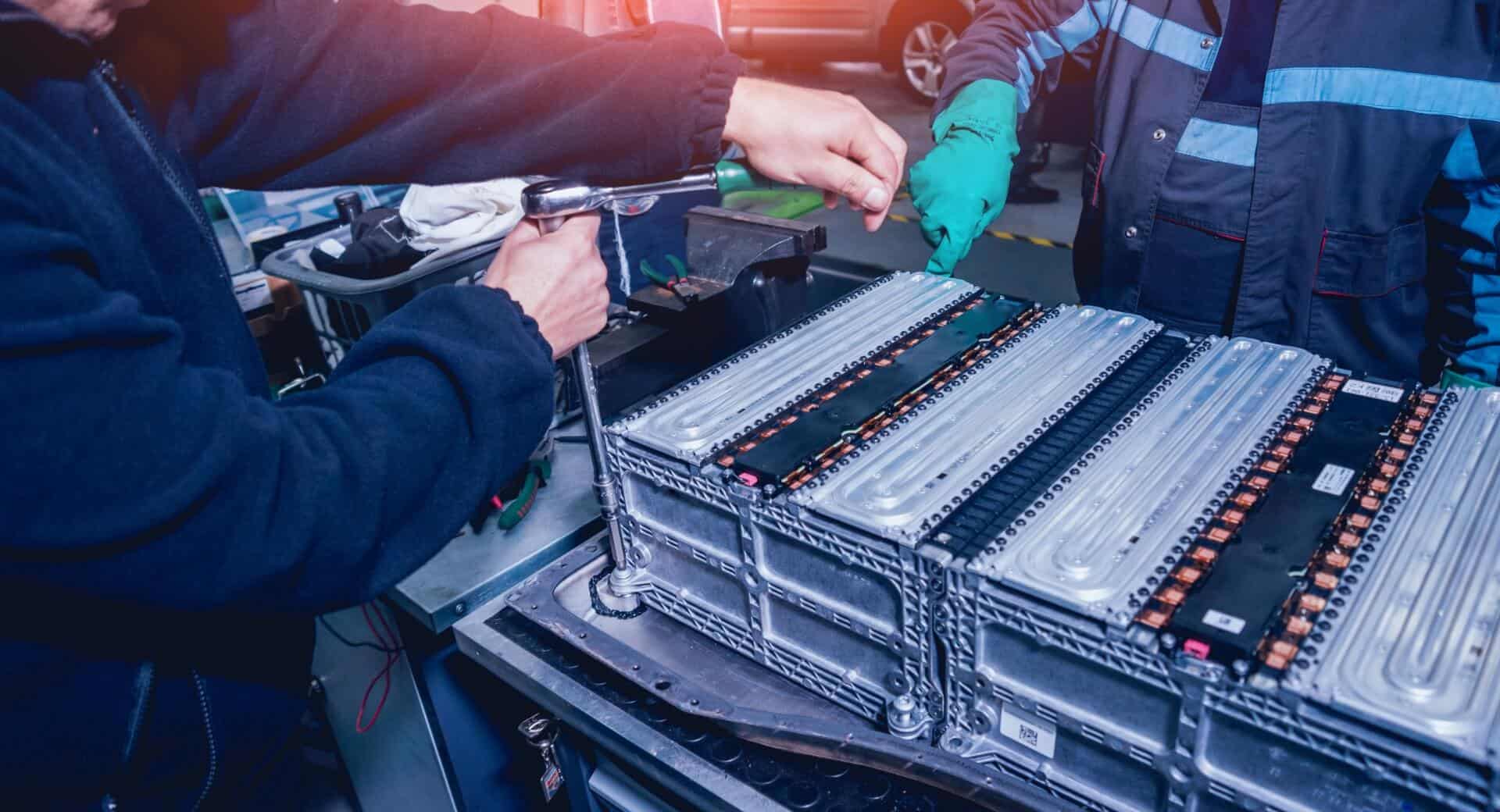 According to some manufacturers, batteries may last up to 300,000 or even 500,000 miles. Another reason to be hopeful is battery chemistry. That longevity is truly remarkable. Coverage typically includes replacement if the battery capacity drops below a certain threshold, often 70 percent. This gives owners significant peace of mind. It implies that an automobile could run on a single battery for twenty years before needing to be replaced. The sweet spot is approximately between 20 and 80 percent of the state of charge, which can be thought of as a range from zero to 100.
Nearly all contemporary EVs are powered by lithium-ion batteries, which differ significantly from the earlier nickel-cadmium models. They don’t suffer from the dreaded ”memory effect,” so you don’t need to drain them completely before recharging. They don’t have the dreaded These batteries, on the other hand, favor a cozy middle ground. Limiting your EV’s charge to 80% is not the only way to increase battery life; you can also use battery preconditioning in the winter or park it in a garage or shade in the summer.
In that scenario, simply setting a target of 80 percent in your car’s menu or autopowercare.com charge timer gives you plenty of range for your daily errands and preserves long-term health. It’s a good idea to keep the battery pack cool because the chemistry inside is sensitive to excessive heat. Modern EVs can withstand winter conditions, fast charging, and daily driving without significantly reducing the battery’s useful life. Systems that use liquid cooling and heating avoid the extreme heat or cold that can hasten deterioration.
Battery cell temperature control is a skill that automakers have mastered. Automakers have gotten very good at keeping battery cells at an ideal temperature. Thermal control is a major factor in this longevity. Additionally, you can simply plug in and go rather than making another service appointment. From a maintenance perspective, the biggest win is the time saved. That’s a welcome change in the way we take care of our cars. The conclusion is that EV batteries don’t need to have their oil changed on a regular basis.
No more standing in line at a service center for an hour while someone drains your oil. No more wondering about synthetic versus conventional. If you don’t need to, don’t turn it into a daily routine. The best course of action is to treat your battery like a good friend; if you give it space and prevent it from overheating, it will look out for you. When you need the range, charging to 100% is acceptable.
No listing found.